

Whether you need a valid passport to board domestic flights depends entirely on what other identification you have in your wallet. As of May 7, 2025, the Transportation Security Administration (TSA) requires all travelers aged 18 and older to present a REAL ID-compliant state-issued ID or another acceptable form of government-issued photo identification.
While a passport book is a sufficient and highly reliable form of ID, it is not mandatory if you have a compliant state-issued driver’s license. This shift in identification requirements stems from the REAL ID Act, which set new security standards for federal facilities and domestic air travel. If your license isn’t compliant, your valid passport becomes your best friend at the security checkpoint. Continue reading to learn what it all means for your travels.
Quick Answer (TL;DR)
No, a passport is not strictly required for domestic travel, but it is a valid and acceptable ID. You can use a REAL ID-compliant license, a military ID, or a DHS Trusted Traveler card instead. If you lack these, a passport is your primary alternative.
Check our travel guide for more information on navigating the domestic and international flights.
What ID do you need to fly domestically in the U.S?
If you’re a U.S. citizen over 18, you must present acceptable identification at the security checkpoint when flying domestically. The most common forms of identification include a state-issued driver’s license (with a REAL ID star) or a state-issued ID card.
However, the TSA officer will also accept a permanent resident card, a Defense ID, a Global Entry card, or even a Canadian provincial driver’s license for certain travelers.
While adults must show identification, minors under 18 usually do not need a government-issued ID when traveling with an adult, though they still need a boarding pass.
So, when planning your trip, make sure you have your identification and know how early to get to the airport to avoid long waits and security checkpoints.
Is a passport required for domestic flights?
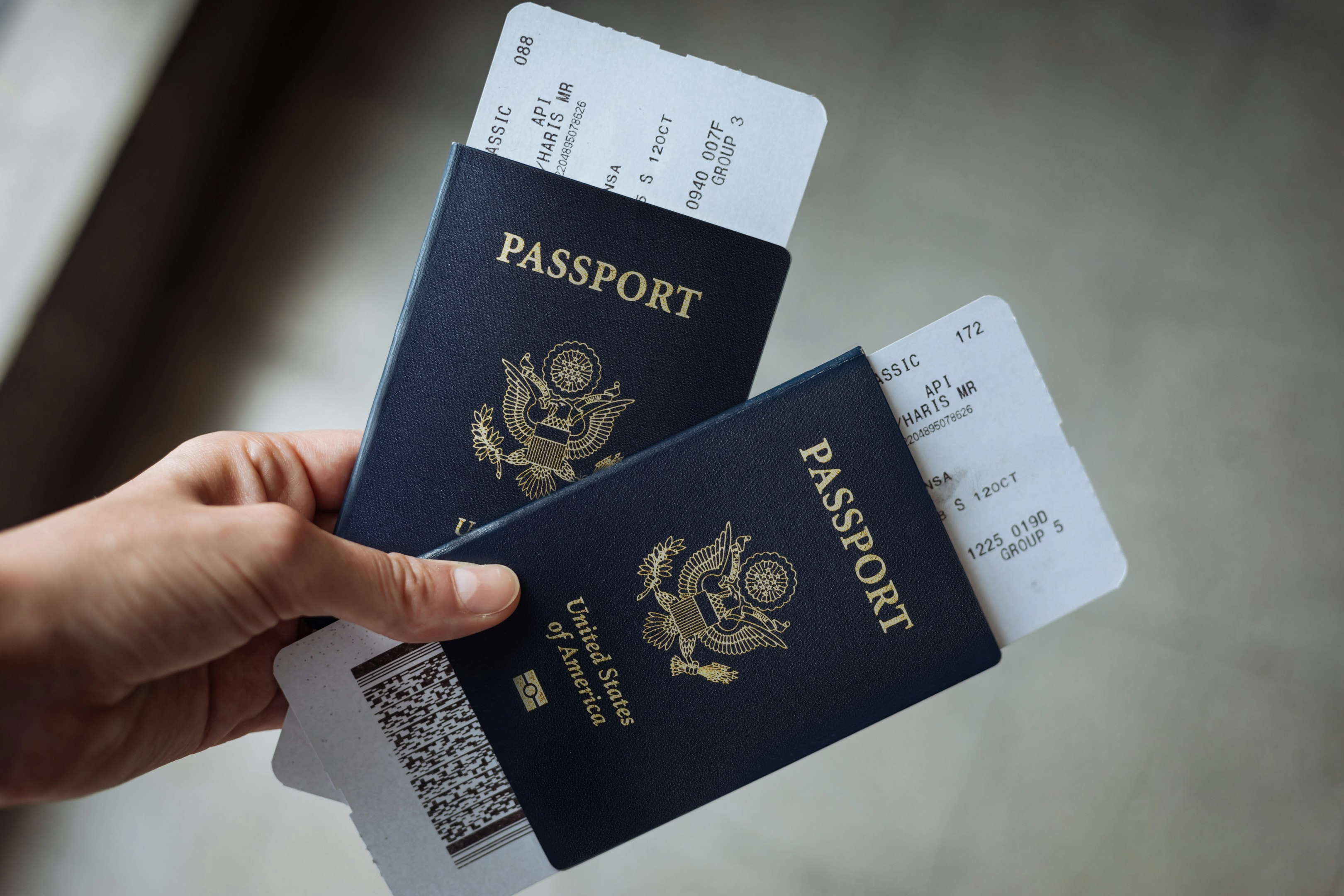
A valid passport is never “required” for most domestic flights, but it is always an acceptable form of ID. It serves as a perfect backup if you are waiting for a new license or state ID from the Department of Motor Vehicles.
Since a passport is a federal government-issued photo ID, it meets all TSA standards for domestic air travel. This is especially helpful if you are navigating self-connecting flights and want the most universally recognized document.
When using a passport is the better option
Using a passport book or passport card is often the smarter choice for domestic travel if your state-issued ID is nearing its expiration date. On the other hand, if you have an expired passport, remember that the TSA only accepts it up to one year past expiration.
Carrying a passport also prepares you in case a trip suddenly requires traveling internationally. It simplifies the check-in process at airlines that may have stricter verification protocols for non-compliant IDs, ensuring you board without a hitch.
Understanding Real ID rules
The REAL ID Act was designed to eliminate non-compliance across states and strengthen security at federal facilities. You can tell if your license is compliant by looking for a star in the top right corner; if it’s missing, you may have a standard driver’s license or indian and Northern Affairs Canada card that isn’t valid for flight.
Starting May 2025, if you don’t have a REAL ID, you will likely receive additional screening or be turned away. To avoid a stressful trip, visit your Department of Motor Vehicles early. This is crucial for avoiding delays during short layovers where every minute counts.
What to do if you forget your ID at home
If you arrive at the security checkpoint and realize you forgot your identification, don’t panic; you might still be able to board. A TSA officer can initiate an identity verification process using public databases.
For example, a traveler who has lost their issued photo ID might be asked to provide their Social Security number and address to confirm they are a citizen. Just expect to receive additional screening, and always arrive early so you don’t miss your flight.
Final Checklist for Your Domestic Trip
While every U.S. citizen can use a passport, it isn’t required for domestic flights. As long as you have a valid ID that meets REAL ID standards, you can move through TSA checkpoints with ease. If you are unsure whether your specific documentation qualifies, the TSA website remains the best resource for the most current ID TSA regulations.
Beyond standard licenses, the TSA accepts other forms of identification, including military IDs and TSA PreCheck credentials (like Global Entry cards). If you find yourself at the airport without physical proof of identity, stay calm and cooperate with officials to complete their verification process. Once your documents are in order, you can focus on the fun part: finding the best deals to book cheap flights and exploring everything the U.S. has to offer.
Domestic Flight ID FAQs
Can I fly domestically with just a driver’s license?
Yes, as long as it is a REAL ID-compliant state-issued driver’s license. If your license says “Federal Limits Apply,” it is not sufficient for domestic air travel unless you also present a valid passport or another DHS Trusted Traveler card at the airport.
Do children need an ID for domestic flights?
The Transportation Security Administration does not currently require documents for citizens under 18 when flying with an adult for domestic travel. However, airlines may require a birth certificate for lap infants or unaccompanied minors to verify their age before they board.
Can I fly without an ID inside the U.S.?
You may be allowed to board after an identity verification process. If the TSA officer cannot verify your identity through their system, you will not be allowed past the security checkpoint. This process always results in additional screening and a longer wait date.
Is a passport card enough for domestic flights?
Yes, a passport card is an acceptable form of government-issued photo ID. It is smaller and cheaper than a passport book (which has visa pages) and is perfectly sufficient for all domestic air travel and entering federal facilities across the US.